
Top 10 Recruitment Automation Tools
Explore the best recruitment automation tools reshaping hiring. Find the right tech to scale faster, improve accuracy, and give recruiters their time back.
.png)
Even with all the new HR tech out there, hiring today can still feel like a juggling act. Recruiters are managing job posts across multiple platforms, scanning hundreds of resumes, scheduling interviews, and chasing feedback often in spreadsheets or email threads.
That’s where recruitment automation tools come in. They handle routine hiring tasks, including job postings, candidate shortlisting, and interview coordination. This ensures that all stakeholders are informed, allowing your team to prioritize engaging with candidates over administrative duties.
The best tools don’t just save time. They help teams make faster, fairer, and more consistent hiring decisions while giving candidates a smoother experience from the first click to their first day.
Here are 10 recruitment automation platforms worth knowing about in 2025, along with how they compare on speed, usability, and results.
1. Firstwork
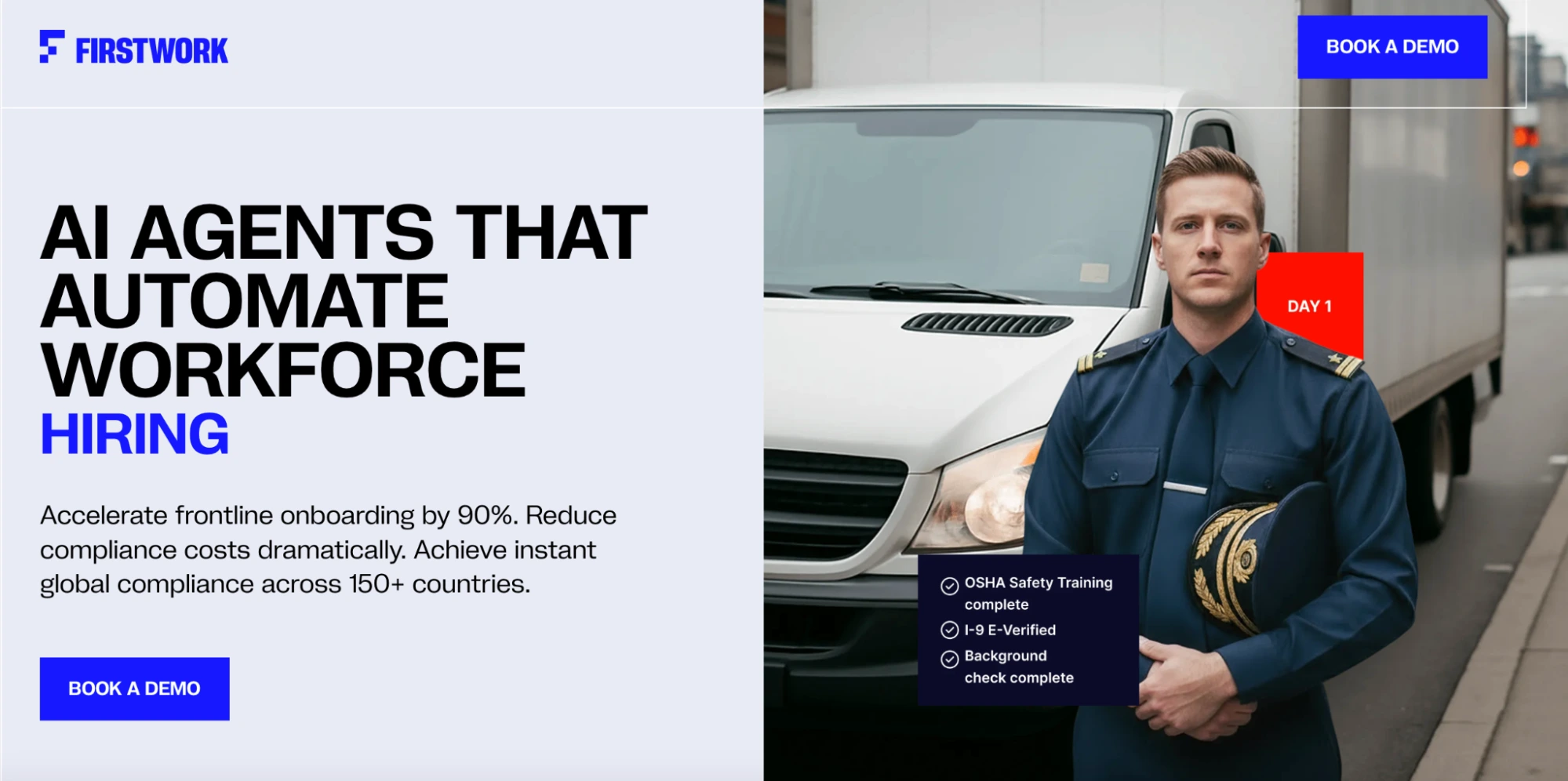
Firstwork is uniquely designed for the operational demands of frontline and high-volume hiring, prioritizing speed, compliance, and scalability. This distinguishes it from most recruitment platforms, which are built for corporate hiring workflows.
Automation Strengths
Firstwork offers a comprehensive automation stack that covers every stage of the recruitment and onboarding process:
- AI-powered automations that handle screening, document verification, and candidate engagement in real time.
- Pre-built templates for job descriptions, workflows, and communications to accelerate setup.
- Automated job postings across multiple channels with centralized tracking.
- Smart meeting scheduler to coordinate interviews without manual back-and-forth.
- Follow-up automation that keeps candidates informed and reduces drop-offs.
- Built-in compliance management, ensuring every hire meets legal and policy standards.
- Onboarding and learning management modules that carry candidates smoothly into employment.
- Analytics and time-to-hire measurement, offering visibility into every stage of the funnel.
- Pipeline management tools to help recruiters prioritize and move candidates efficiently through each step.
Pros & Cons
Firstwork’s most significant advantage lies in its breadth. It doesn’t just automate parts of hiring; it connects them into a single continuous workflow. For high-volume teams, this means faster onboarding, higher accuracy, and lower compliance risk. Recruiters save hours each week, and candidates move from offer to start date in minutes instead of days.
Some smaller teams may find the platform more feature-rich than they need, and setup requires brief onboarding support to unlock full analytics, but the long-term ROI is substantial. For organizations managing scale and speed simultaneously, Firstwork delivers automation that actually matches business reality.
Ideal For:
Companies hiring at scale across multiple locations, especially in staffing, logistics, manufacturing, and retail, need both speed and governance within a single system.
2. Zoho
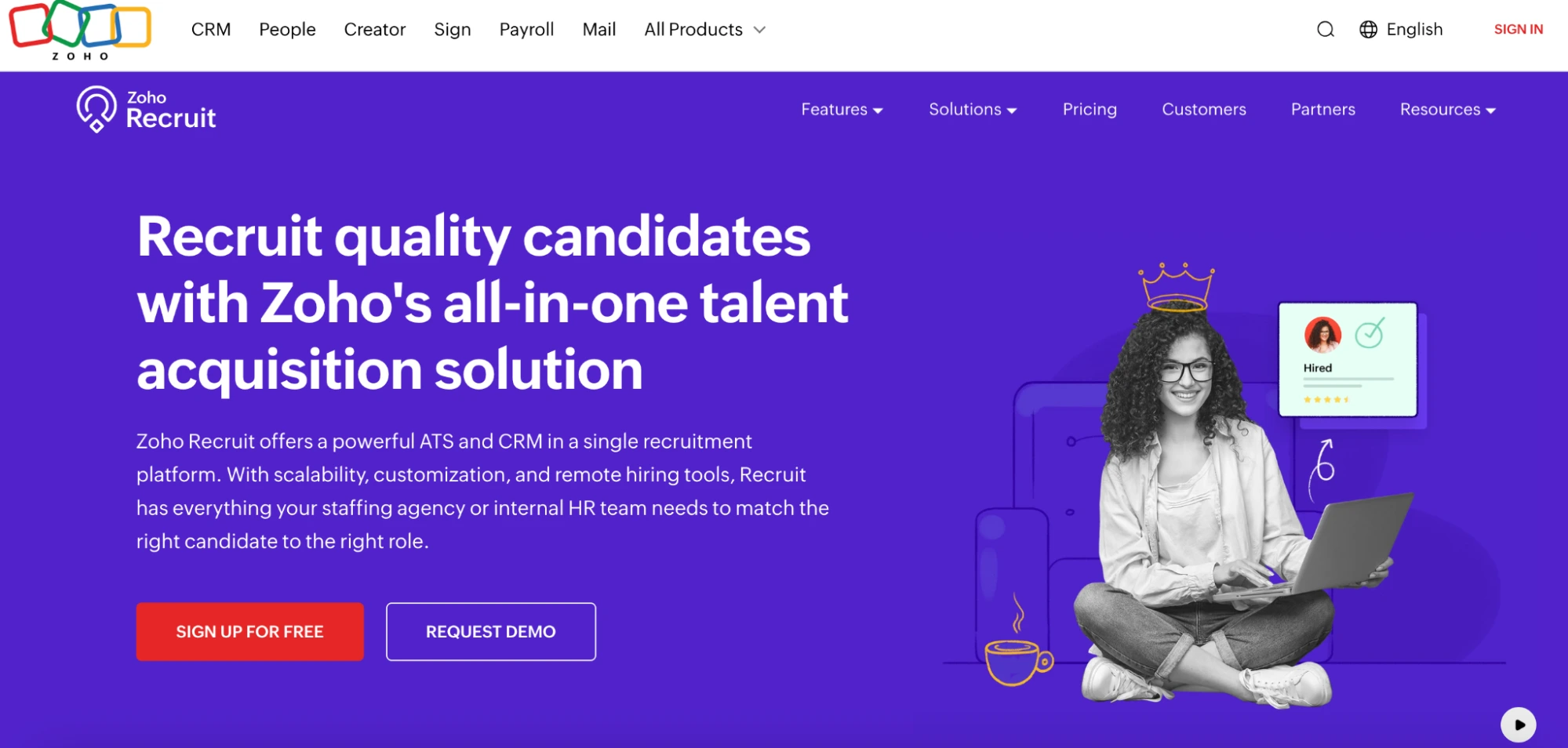
Zoho Recruit is a lightweight, cloud-based applicant tracking system that offers affordable automation for small and mid-sized businesses.
Automation Strengths
It automates candidate sourcing, resume parsing, and email workflows. With integrations across job boards and the Zoho suite (CRM, HR, and analytics), recruiters can manage pipelines and communication efficiently from one dashboard.
Pros & Cons
Zoho Recruit’s affordability and intuitive setup make it attractive for startups. It covers most automation essentials, including resume management, job posting, and communication tracking. However, it lacks deeper enterprise analytics or AI-based decisioning found in larger systems. Still, for teams seeking automation without the enterprise overhead, Zoho Recruit is a reliable entry point.
Ideal For:
Small to mid-sized organizations looking for a cost-effective, easy-to-adopt ATS with strong integration flexibility.
3. Greenhouse
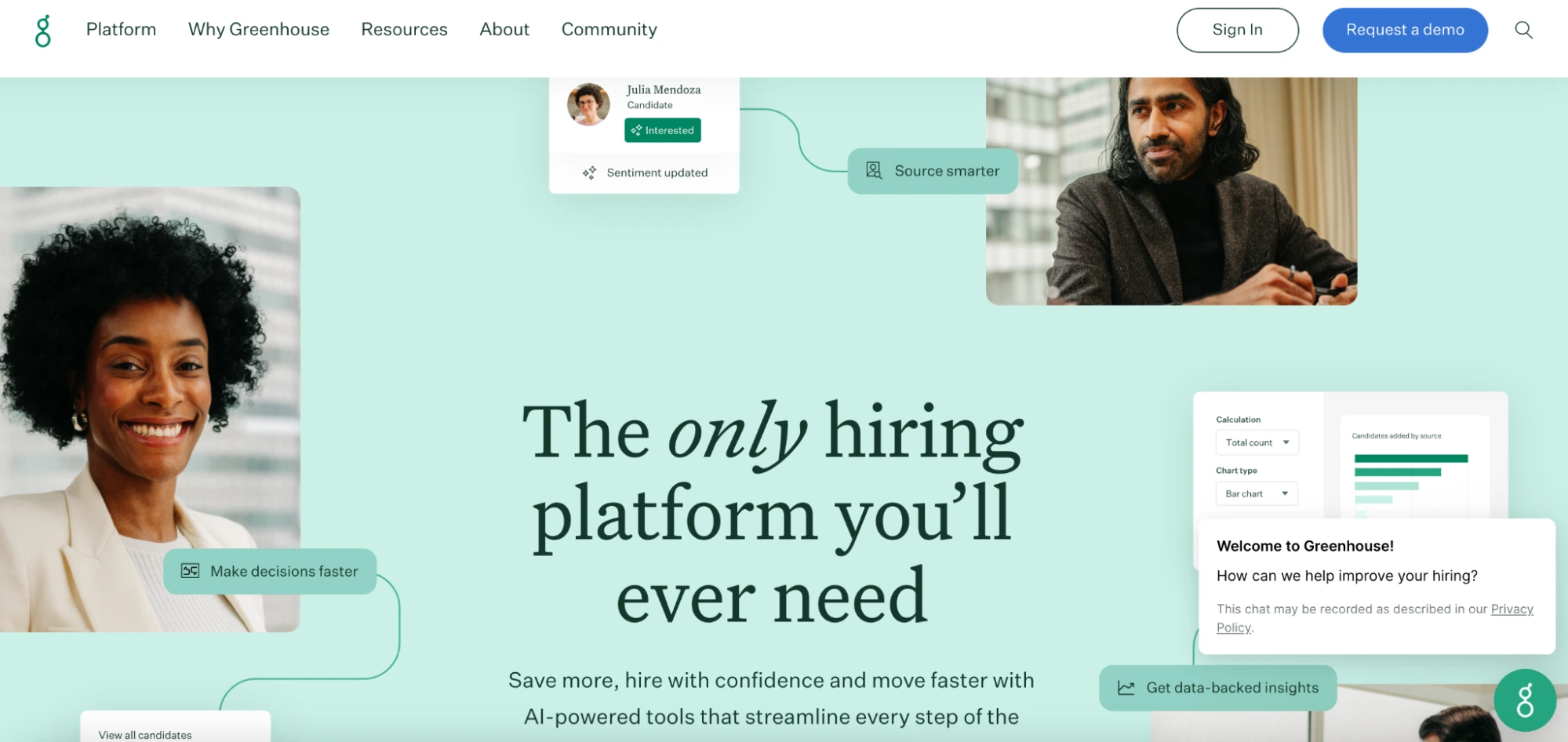
Greenhouse is widely recognized for its structured approach to hiring and strong automation capabilities, especially for mid-market and enterprise teams focused on process consistency and compliance.
Automation Strengths
The platform automates candidate scoring, interview scheduling, and feedback collection. Its rule-based workflows ensure no stage of the hiring process is skipped. Greenhouse also integrates deeply with background checks, HRIS platforms, and assessment tools, reducing manual data transfer.
Pros & Cons
Greenhouse excels at structured hiring, making it ideal for organizations that emphasize fairness and consistency. Its automation reduces bias, shortens decision cycles, and maintains audit-ready records. On the downside, initial setup and training can take time, and smaller teams may find its enterprise-grade complexity more than necessary. For large companies, though, it remains the gold standard in structured hiring automation.
Ideal For:
Enterprises and mid-market organizations focused on compliance, governance, and hiring consistency at scale.
4. Workday
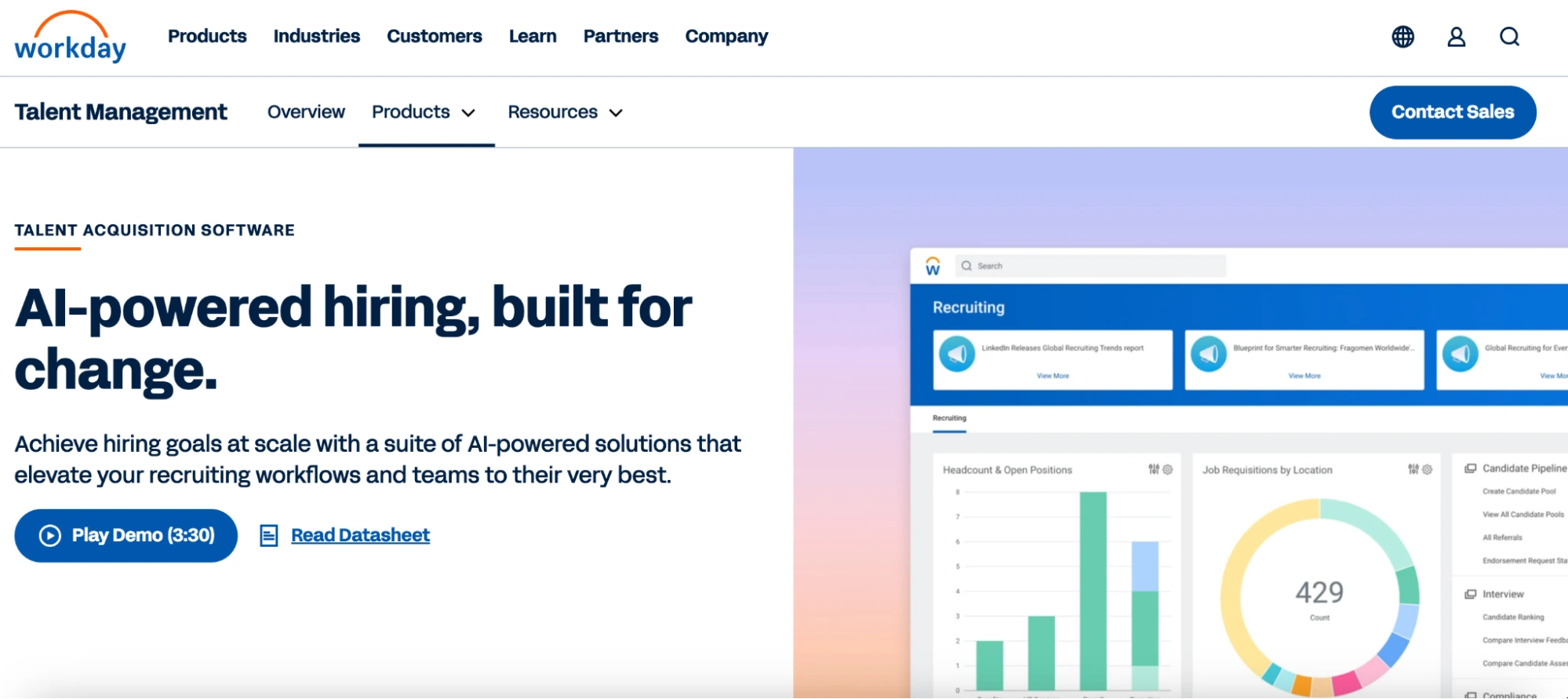
Workday recruiting integrates hiring automation into the broader Workday ecosystem, combining HR, payroll, and finance data for unified workforce management.
Automation Strengths
It automates job postings, candidate tracking, and offer management while leveraging Workday’s analytics for talent forecasting and workforce planning.
Pros & Cons
Workday Recruiting provides unmatched visibility across the employee lifecycle, making it ideal for organizations that value data-driven decisions. However, its implementation is complex and best suited for large enterprises. For organizations already using Workday HR or Finance, the recruiting module adds tremendous efficiency.
Ideal For:
Global enterprises seeking integrated hiring automation within an end-to-end HR system.
5. SAP SuccessFactors
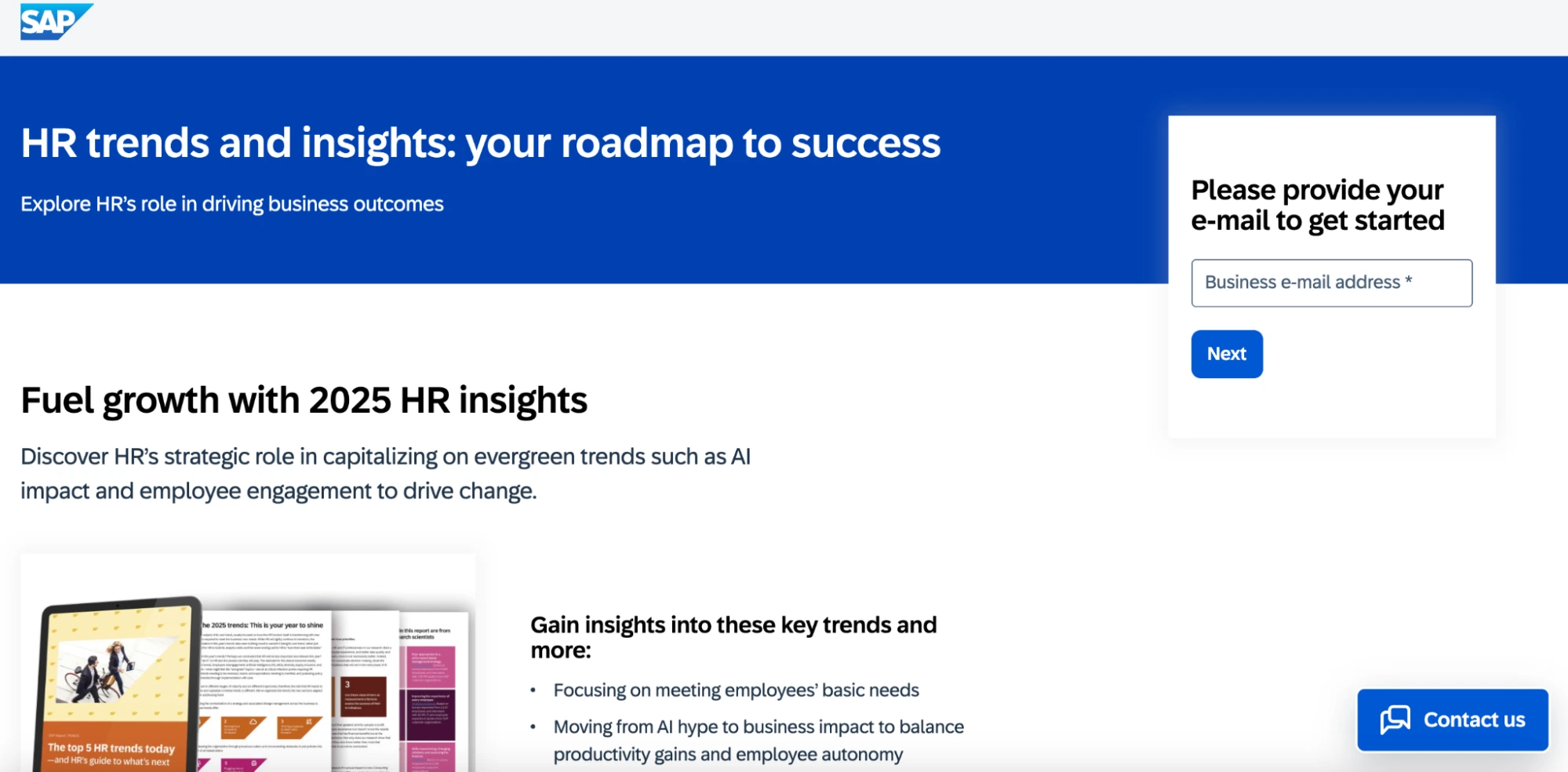
SAP SuccessFactors Recruiting is an enterprise-grade platform that integrates talent acquisition into a larger HR ecosystem. Global organizations widely use it for its depth, scalability, and compliance focus.
Automation Strengths
The system automates job requisitions, candidate tracking, offer management, and onboarding. Its analytics suite helps organizations measure time-to-fill and hiring quality at a global scale.
Pros & Cons
SAP SuccessFactors excels at enterprise-wide standardization and data governance. The platform’s automation capabilities extend across geographies and business units. However, implementation can be complex, and smaller teams may find the system more resource-intensive than necessary. For multinationals, it remains a top-tier choice for structured hiring automation.
Ideal For:
Enterprises operating across multiple regions with a need for global compliance and scalability.
6. Bayt.com

Bayt.com is the leading job site in the Middle East and North Africa, connecting job seekers with employers across industries. Over time, it has evolved into a recruitment automation platform that helps organizations hire faster and smarter in the region.
Automation Strengths
The platform automates job postings, candidate matching, and communication. Recruiters benefit from AI-based recommendations and automated outreach campaigns to efficiently engage regional talent.
Pros & Cons
Bayt.com’s reach and regional expertise are unmatched in MENA. It excels at sourcing and early-stage automation but lacks deeper compliance or onboarding features found in enterprise suites. For companies hiring in the Middle East, its access to localized talent pools makes it an essential tool.
Ideal For:
Organizations hiring across the Middle East and North Africa are seeking large-scale sourcing automation.
7. Teambridge
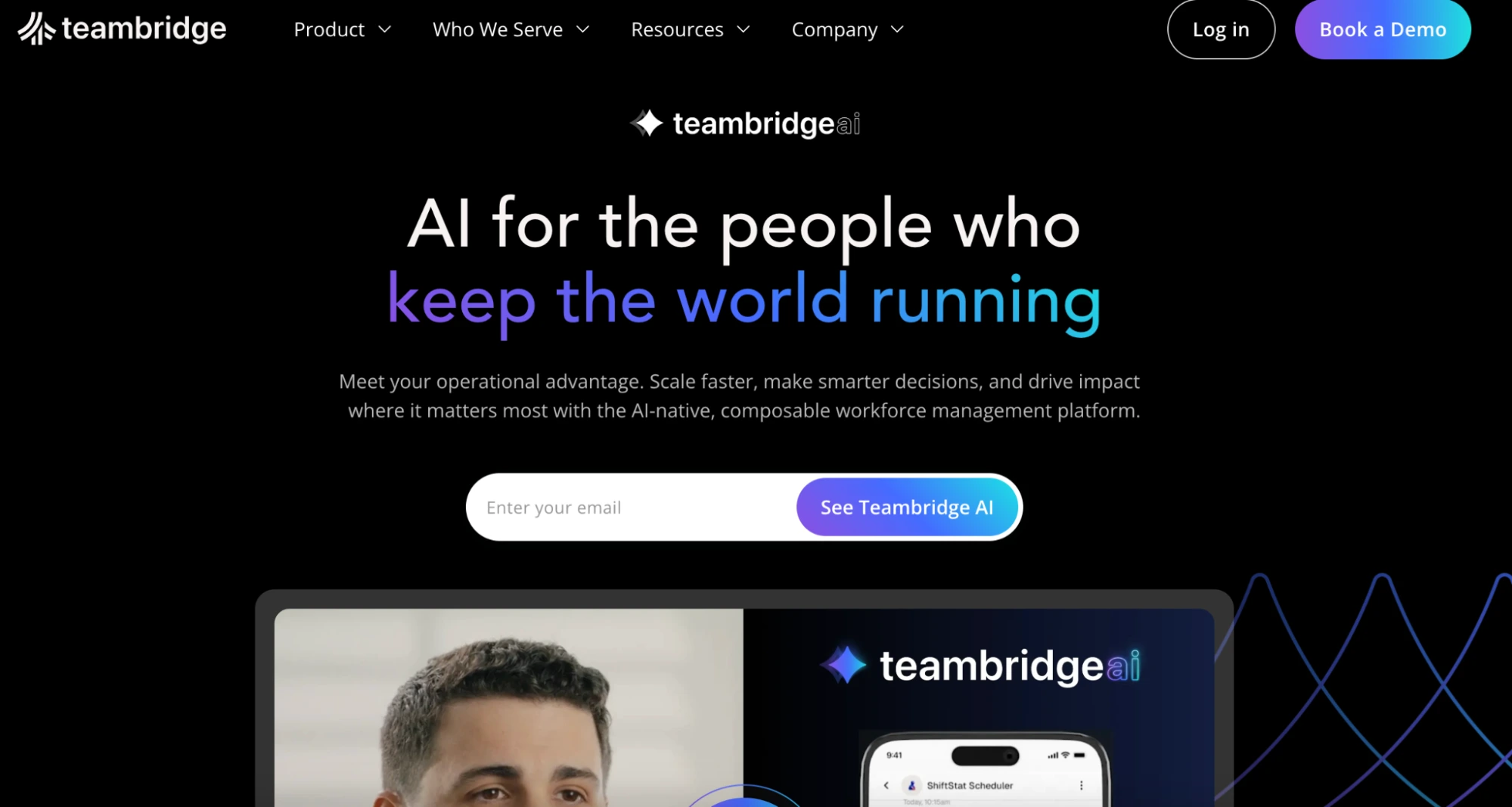
Teambridge bridges the gap between HR operations and recruitment by integrating workforce management and hiring automation into one ecosystem.
Automation Strengths
The tool automates employee onboarding, shift allocation, and document management, as well as recruiting workflows. It syncs hiring data directly into HR operations, ensuring a smooth transition from candidate to employee.
Pros & Cons
Teambridge’s value lies in integration. It ensures hiring data doesn’t stop at recruitment but flows into HR and scheduling functions. The downside is that it’s most effective for organizations already focused on operational automation. Smaller HR teams may find its capabilities broader than needed, but for distributed enterprises, it helps unify HR and workforce processes.
Ideal For:
Organizations managing large or distributed teams that need tight alignment between recruitment and daily operations.
8. iCIMS Talent Cloud
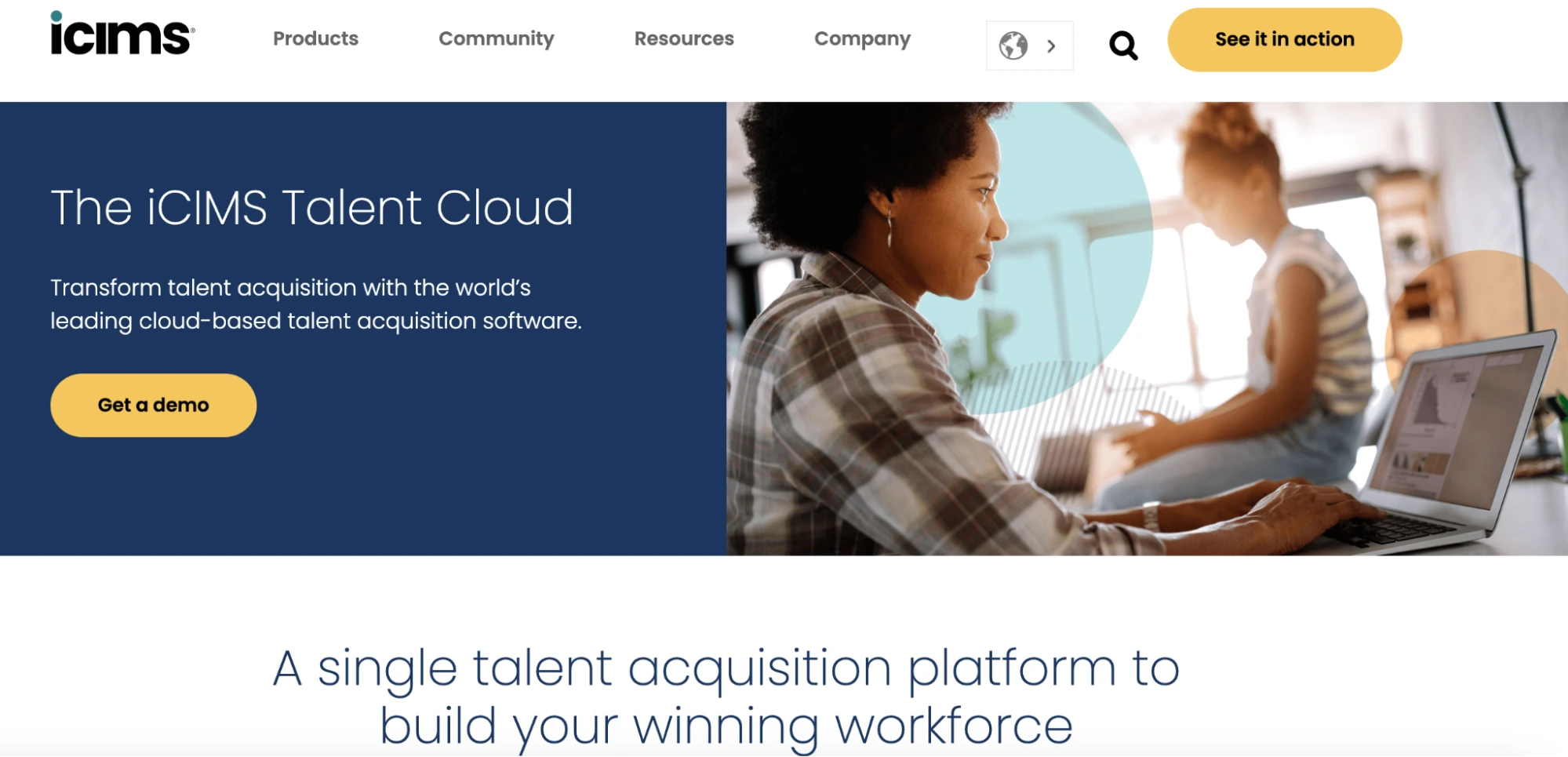
iCIMS Talent Cloud is a robust recruiting platform designed for enterprise-scale hiring, with a strong emphasis on candidate experience and brand consistency.
Automation Strengths
The platform automates everything from sourcing and CRM to onboarding. Its AI-powered tools personalize job recommendations, automate nurturing campaigns, and provide analytics on engagement metrics.
Pros & Cons
iCIMS stands out for its marketing-grade automation features, enabling companies to engage candidates like customers. It integrates deeply with HR systems and career sites. The platform’s breadth, however, can be overwhelming for smaller teams, and configuration can take time. Overall, it’s ideal for enterprises focused on long-term talent engagement.
Ideal For:
Enterprises emphasizing employer branding and large-scale candidate engagement automation.
9. Oracle Recruiting Cloud (ORC)
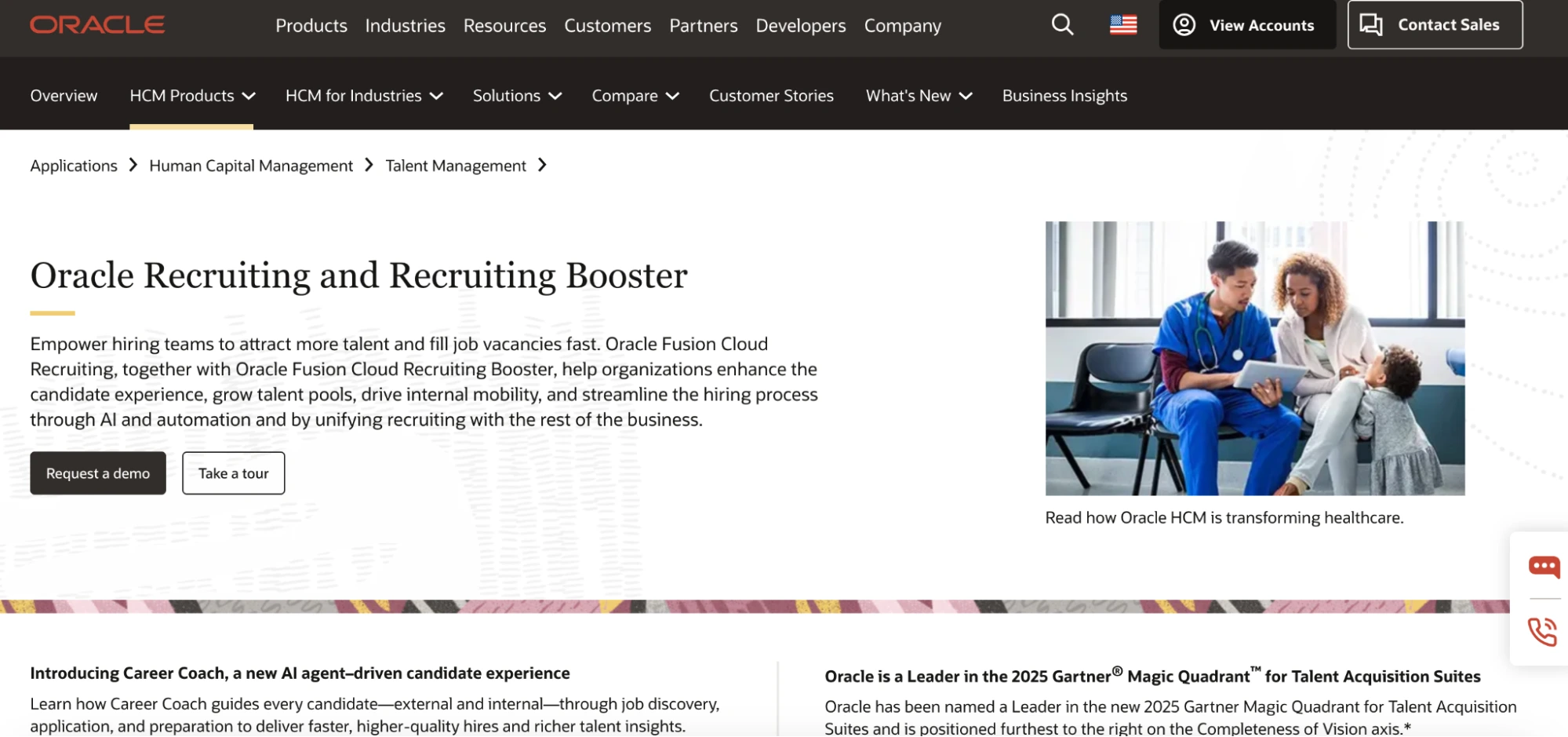
Oracle Recruiting Cloud (ORC) is part of the Oracle Fusion HCM suite and leverages AI to drive smarter, faster hiring decisions across global organizations.
Automation Strengths
It automates job requisitions, sourcing, and interview scheduling. The AI engine recommends candidates and predicts time-to-fill for open roles, enhancing recruiter decision-making.
Pros & Cons
Oracle’s automation depth is substantial, especially for complex enterprises. It offers advanced analytics and compliance tools. However, setup is intricate, and smaller companies may find the system overpowered for their needs. For multinational corporations, Oracle delivers enterprise-grade intelligence and scalability.
Ideal For:
Global enterprises seeking AI-enhanced recruitment automation with deep compliance and analytics.
10. Workable
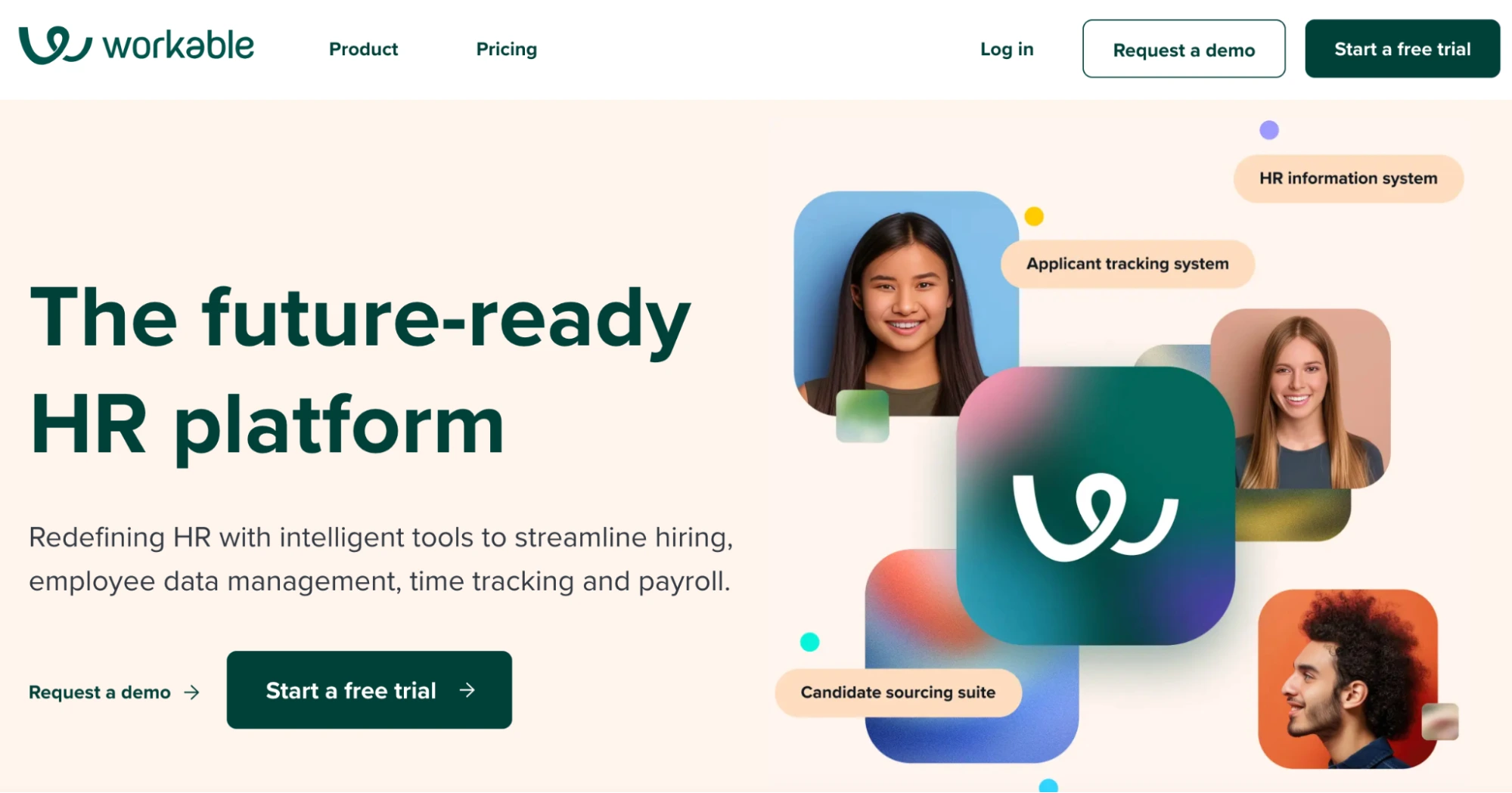
Workable is a user-friendly recruitment automation platform built for growing teams that need structure and speed without enterprise complexity.
Automation Strengths
Workable automates job postings, resume screening, and communication workflows. It also includes AI-powered candidate recommendations, one-click interview scheduling, and analytics dashboards.
Pros & Cons
Workable’s simplicity is its strength. It delivers strong automation for core hiring needs without requiring technical support. Some larger companies may outgrow their capabilities, but for SMBs, it’s one of the most accessible and efficient options on the market.
Ideal For:
Startups and small teams are looking for a fast, intuitive way to bring structure and automation to their hiring process.
How to Choose the Right Recruitment Automation Tool
The best recruitment automation platform isn’t always the one with the most features; it’s the one that fits your team’s hiring reality. Whether you’re a startup managing 20 hires a year or an enterprise filling thousands of roles across geographies, the right system should simplify work, not add to it. Here’s how to evaluate your options effectively:
1. Identify your biggest hiring bottleneck
Start by pinpointing where your recruitment process slows down. Is it sourcing, screening, scheduling, or onboarding? For example, if your recruiters spend hours manually verifying documents or chasing compliance tasks, a platform like Firstwork will deliver the fastest ROI. If your pain point is candidate outreach, iCIMS or Bayt.com might be a better fit.
2. Focus on integration, not isolation
Automation only works when systems talk to each other. Your recruiting tool should connect easily with your HRIS, payroll, and communication platforms. Tools like Workday, Oracle, and SAP SuccessFactors excel at this because they sit within larger ecosystems. For smaller teams, Workable or Zoho Recruit offer simple integrations without a heavy IT lift.
3. Balance scalability with usability
A platform that’s perfect for 100 hires a month might break down at 10,000, and vice versa. Look for solutions that can grow with you. Greenhouse and Teambridge scale well for expanding organizations, while Workable keeps automation light and flexible for lean teams.
4. Prioritize analytics and visibility
Recruitment automation isn’t just about speed; it’s about insight. Look for platforms that measure time-to-hire, candidate drop-offs, and recruiter efficiency. Data-driven hiring helps HR teams shift from reactive to strategic decision-making.
5. Test before you invest
Most automation tools offer free trials or pilot programs. Run one with a real hiring workflow and measure outcomes, time saved, candidate feedback, and process accuracy. It’s the simplest way to see whether a tool delivers what the brochure promises.
In short, the right recruitment automation tool should make your team more human, not less.
Final Thoughts: Automation That Moves Hiring Forward
Recruitment automation has entered a new phase. The conversation is no longer about whether to automate, but how intelligently it’s done. Some tools make hiring faster; others make it simpler. The best ones, like Firstwork, do both while strengthening compliance and candidate experience.
In a hiring landscape where every minute of delay can cost productivity, Firstwork’s AI-powered automation helps HR and operations teams move faster without compromising accuracy. It’s not about replacing recruiters; it’s about giving them back their time to focus on people, not process.
For teams looking to modernize hiring without adding headcount, this is what recruitment automation done right looks like. See how Firstwork helps teams hire faster and stay compliant. [Book a demo now]